SHIPING & FORWARDING
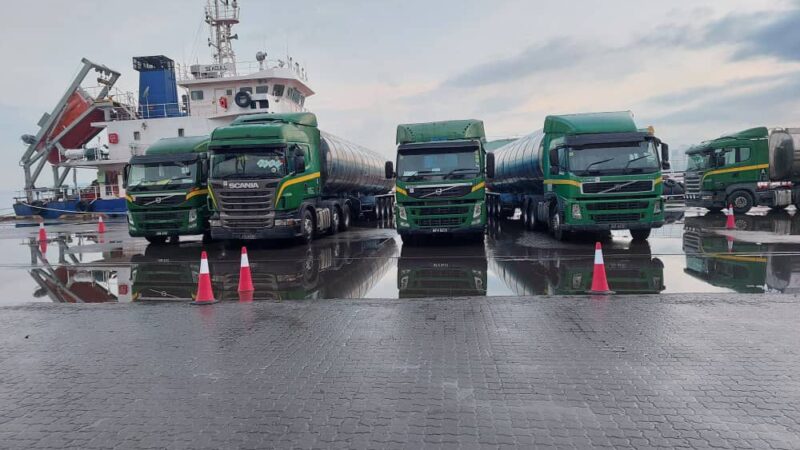
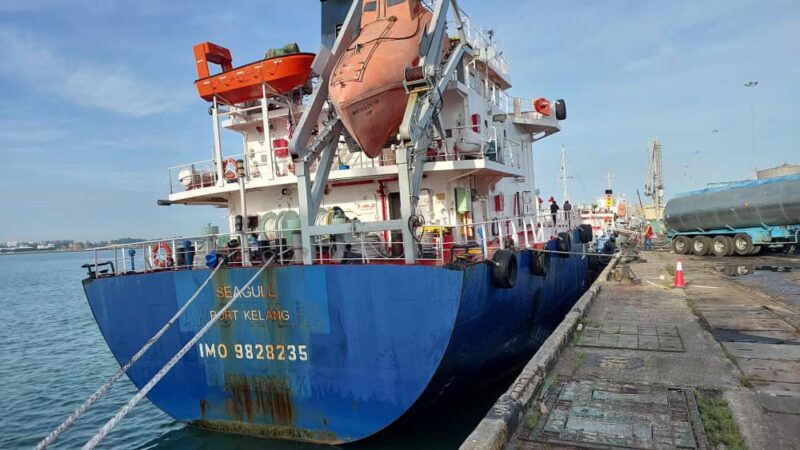
Specialized Marine Services in Shipping and Forwarding
- Breakbulk Cargo: For goods that cannot fit in standard containers due to size or shape (like large machinery, steel beams, or construction equipment), breakbulk shipping is used. The cargo is handled individually and can be loaded directly onto the vessel.
- Project Cargo: Involves the transport of oversized or heavy equipment for industries such as oil and gas, construction, and mining. Project cargo requires customized logistics solutions, including special vessels, cranes, and precise handling.
- Refrigerated or Reefer Containers: Used for perishable goods that require temperature control, such as food, pharmaceuticals, and flowers. These containers have built-in refrigeration systems to keep the goods at a specific temperature throughout transit.
Port and Customs Services
- Customs Clearance: Marine forwarders handle customs documentation, tariffs, and compliance at both departure and arrival ports, ensuring goods meet legal requirements and facilitating smooth entry into each country.
- Port Handling and Terminal Services: Involves the unloading and loading of containers, cargo storage, and management of all equipment and personnel at the terminal. Forwarders often coordinate with port authorities to streamline these processes.
- Transshipment: If a shipment needs to change vessels mid-route, the forwarder arranges transshipment services, managing any required logistics to transfer the cargo to another ship without delays.
Marine Forwarding and Logistics Services
Route Optimization and Planning: Forwarders use marine traffic patterns, weather data, and economic factors to choose optimal shipping routes that are cost-effective and timely.
Documentation Handling: Marine forwarders manage essential documents, including:
- Bill of Lading (BOL): The main document for sea shipments, it serves as a receipt, a title of ownership, and a contract between the shipper and carrier.
- Marine Insurance Certificates: Provide coverage against potential losses or damages during transit, protecting the shipment from maritime risks.
- Letter of Credit: Used in international trade to guarantee payment once goods are shipped, protecting both buyer and seller.
Marine Cargo Tracking and Management: Many forwarders provide real-time tracking of sea shipments, often using GPS and IoT technology to track containers. This service allows for timely updates on the cargo’s status, estimated arrival, and potential delays.
Additional Marine Services in Forwarding
- Inland Transportation and Final Mile Delivery: Marine forwarding often includes “door-to-door” services, covering not just the ocean route but also land transportation to pick up goods from the supplier and deliver them to the buyer’s warehouse or specified location.
- Freight Consolidation and Deconsolidation: Forwarders consolidate smaller shipments from multiple suppliers into one shipment for transport (especially for LCL) and then separate them upon arrival, sending each part to its final destination.
- Cargo Storage and Warehousing: Marine forwarders often provide short- and long-term warehousing near ports, allowing clients to store goods until they are ready for transport or distribution.
Advantages of Marine Forwarding Services
- Cost Efficiency: Sea freight is generally more affordable than air freight for bulk goods, and consolidating shipments reduces costs further.
- Scalability for Large Volumes: Marine services can handle vast quantities of cargo, from small parcels to large industrial equipment.
- Environmentally Friendly: Sea freight produces lower carbon emissions compared to air transport, making it a more eco-friendly option.