Tank / Vessel cleaning
Tank and vessel cleaning in marine services is a specialized process that ensures the safety, operational efficiency, and environmental compliance of ships. This service involves the thorough cleaning of fuel, cargo, ballast, and freshwater tanks, as well as other vessel compartments. The primary goals are to prevent contamination, maintain equipment integrity, and prepare tanks for safe cargo loading or maintenance activities. Here’s a breakdown of tank and vessel cleaning in marine services:
1. Purpose and Importance
- Contamination Prevention: Regular cleaning prevents cross-contamination between different cargoes, ensuring that residues from one cargo do not affect the quality of the next. This is crucial for vessels carrying chemicals, oils, or food-grade products.
- Corrosion Control: Cleaning helps remove corrosive residues, reducing the risk of tank degradation and prolonging the vessel’s operational life.
- Safety and Compliance: A clean tank minimizes fire, explosion, and health risks by removing volatile residues. Many regulations, such as those by the International Maritime Organization (IMO), mandate regular cleaning to ensure safety standards.
- Environmental Responsibility: Cleaning prevents pollutant discharge into the sea, aligning with MARPOL regulations to minimize marine pollution.
2. Types of Tanks Requiring Cleaning
- Cargo Tanks: Used for bulk liquid cargo like oil, chemicals, or LNG. Cargo tank cleaning is often required before loading a different cargo type or after discharging certain types of cargo.
- Ballast Tanks: These tanks hold water for stabilizing the vessel. Cleaning is done periodically to remove sediment and biofouling organisms.
- Fuel/Bunker Tanks: These hold the ship’s fuel. Over time, sludge and other residues build up, impacting fuel efficiency and engine performance.
- Freshwater Tanks: Ensures potable water tanks remain clean and free from bacteria or contaminants, maintaining hygiene and safety standards.
- Wastewater and Sewage Tanks: Requires regular cleaning to prevent blockages, foul odors, and maintain operational standards.
3. Tank and Vessel Cleaning Methods
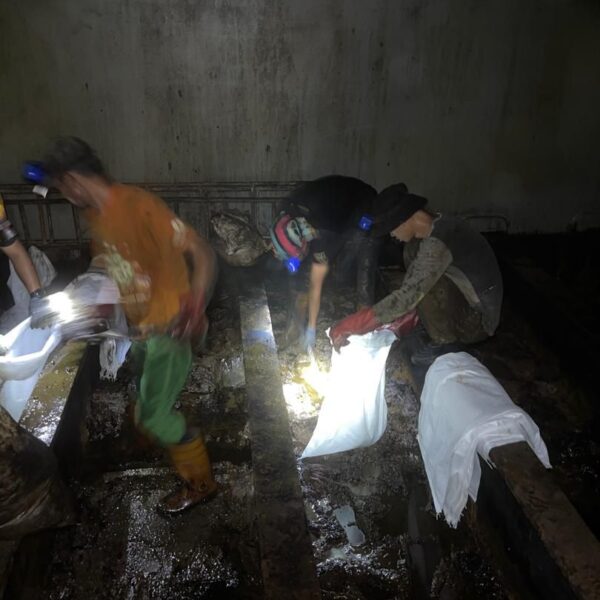
- Manual Cleaning: Involves crew members or cleaning professionals physically entering tanks with protective gear to scrub and remove residues. While thorough, this method is labor-intensive, poses safety risks, and requires confined space training and protective equipment.
- Automated/Robotic Cleaning: Uses remotely operated machines or robots equipped with high-pressure water jets, brushes, or vacuum systems to clean tanks without the need for human entry. It’s safer and reduces downtime but requires specialized equipment.
- High-Pressure Water Jetting: High-pressure water jets are used to dislodge stubborn residues. This is a common method for oil and cargo tanks where significant build-up has occurred.
- Chemical Cleaning: Specialized cleaning agents dissolve residues, sediments, or biofouling. This method is useful for removing certain contaminants that cannot be cleared by water jetting alone.
- Steam Cleaning: Involves injecting steam into the tank to dissolve or remove residues. Often used for tanks with oily or sticky substances.
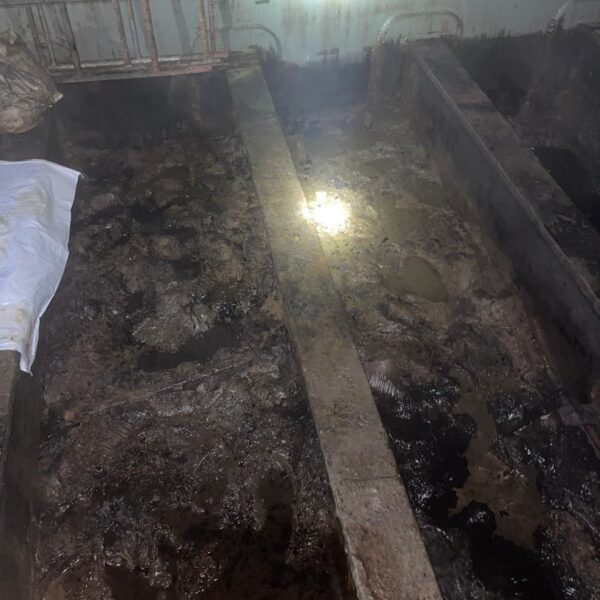
- Sludge Removal and Pumping: For fuel tanks, sludge accumulations are pumped out and disposed of properly.
4. Tank Cleaning Procedures
- Preparation: Before cleaning, the tank is ventilated, and gas testing is conducted to ensure safety. Appropriate permits, such as a gas-free certificate, are obtained if personnel are entering confined spaces.
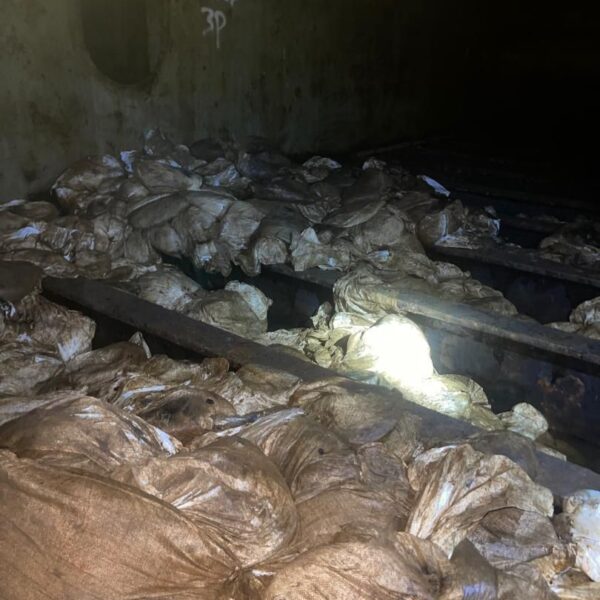
- Residue Removal: Any remaining liquid, sludge, or cargo residue is removed from the tank. This often requires specialized equipment to pump out sludge and collect it for safe disposal.
- Tank Washing: The chosen cleaning method (high-pressure washing, steam, or chemicals) is applied to thoroughly clean the tank.
- Rinsing and Drying: Tanks are rinsed with water to remove any cleaning agents or residues. In certain cases, tanks are dried using air blowers or left to ventilate to ensure no moisture remains.
- Inspection and Certification: After cleaning, tanks are inspected to ensure they meet cleanliness standards. Some tanks may require certification from authorities to confirm they are free from contaminants and safe for loading.
5. Safety Considerations
- Confined Space Entry: Tanks are confined spaces with limited ventilation, making gas testing and continuous monitoring essential to ensure oxygen levels and prevent exposure to toxic fumes.
- Explosion Risk: Residues in fuel or chemical tanks can be flammable, so cleaning must be done with extreme caution to avoid sparks, heat sources, and use of non-sparking tools.
- Protective Equipment: Personnel must use appropriate PPE, including respiratory protection, gloves, and full-body suits, especially when handling hazardous substances.
- Emergency Protocols: Proper training and emergency procedures are critical in case of any accidents, with rescue equipment and personnel on standby.
6. Environmental Compliance and Waste Disposal
- MARPOL Regulations: MARPOL Annex I and V outline specific requirements for the disposal of oil, sludge, and other wastes from tanks to prevent marine pollution.
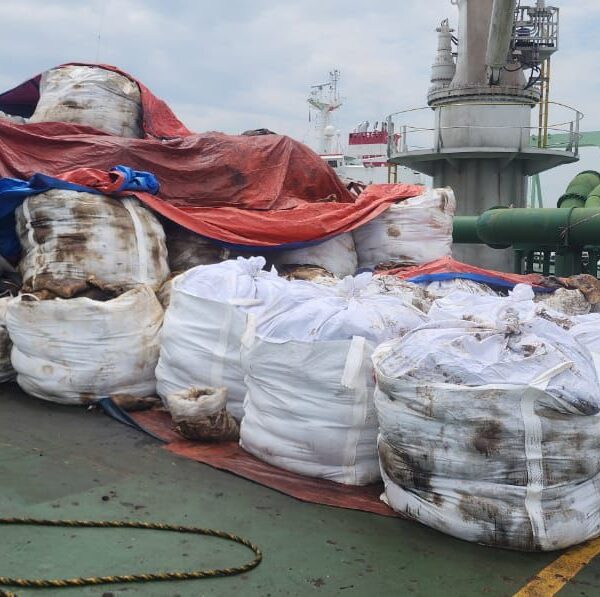
- Waste Collection and Disposal: Residues and sludges from tank cleaning are collected and transported to certified waste treatment facilities. Vessels maintain records of waste disposal to ensure compliance.
- Chemical Usage: Only approved cleaning agents that are biodegradable or eco-friendly are used to reduce environmental impact.
7. Key Players and Service Providers
- Tank Cleaning Companies: Specialized marine service providers have the necessary equipment and trained personnel to handle tank cleaning for different types of vessels.
- Waste Disposal Services: Companies that handle the safe disposal and treatment of sludge, residues, and other waste collected during tank cleaning.
- Port Authorities: Often regulate tank cleaning activities within port areas to ensure that environmental and safety standards are met.
8. Challenges and Solutions
- Access and Confined Spaces: Tank shapes and confined space entry pose a challenge. Robotic cleaning solutions and specialized training help mitigate risks and improve efficiency.
- Environmental Impact: Safe disposal of residues and use of eco-friendly cleaning chemicals are necessary to comply with environmental laws.
- Downtime and Costs: Tank cleaning often requires vessel downtime, so efficient methods and scheduling are essential to minimize operational impact.
9. Innovations in Tank Cleaning
- Robotic and Automated Solutions: Robotics is reducing the need for human entry into tanks, enhancing safety and efficiency. Remotely controlled robotic arms with cameras allow operators to view the cleaning process in real-time.
- Eco-Friendly Cleaning Agents: Development of more biodegradable and less toxic cleaning agents helps meet environmental standards.
- Digital Monitoring: Sensors and digital inspection tools assess cleanliness levels, allowing operators to verify the quality of the cleaning without manual entry.
By maintaining clean tanks, vessels ensure operational safety, protect the marine environment, and adhere to industry regulations. This essential service supports the longevity of vessels and enables efficient transitions between different types of cargo.