Bunkering supply
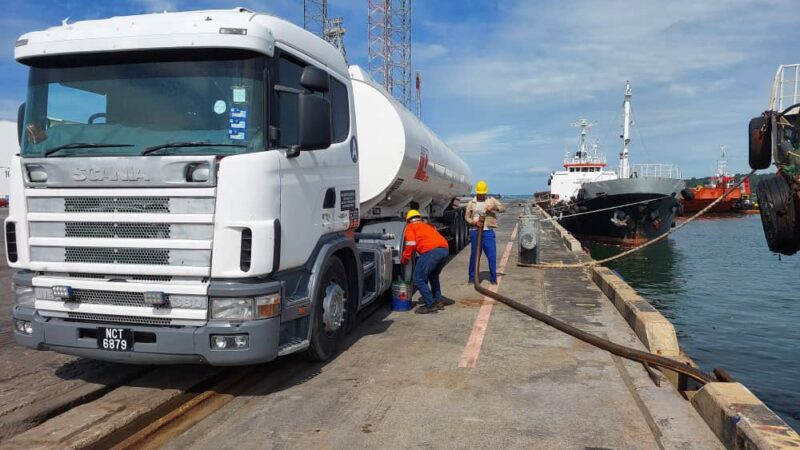
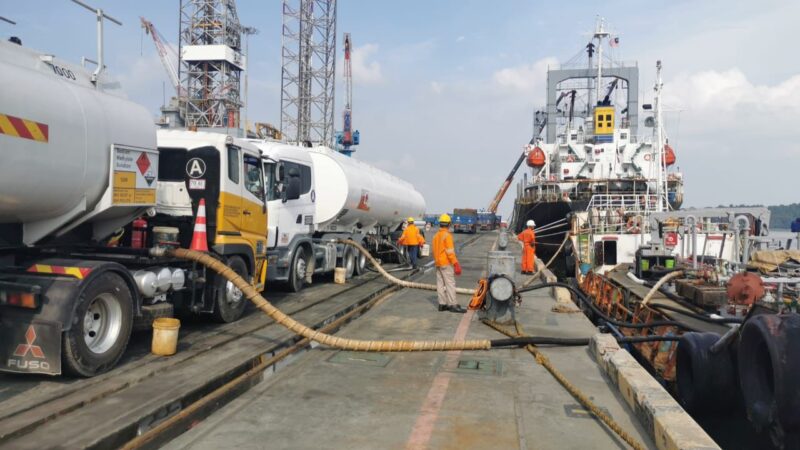
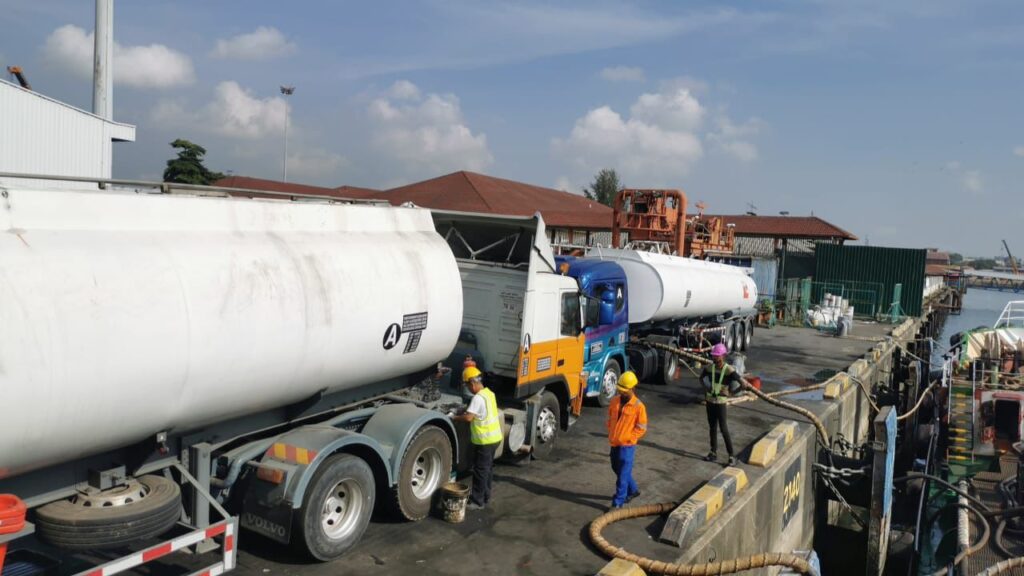
Bunkering supply in the maritime industry refers to the process of providing fuel to ships, typically at ports or designated offshore locations. This service is vital to maintaining the global shipping industry, as fuel is essential for the operation of vessel engines, generators, and other machinery onboard. The fuel provided, often called “bunker fuel,” enables the vessel to complete its voyages.
Types of Bunkering Fuel
- Marine Gas Oil (MGO): A lighter and cleaner fuel with lower sulfur content, often used in Emission Control Areas (ECAs) where stricter environmental regulations apply.
- Very Low Sulfur Fuel Oil (VLSFO): This fuel meets the International Maritime Organization (IMO) 2020 sulfur cap regulations, with a sulfur content of 0.5% or less. It is commonly used in international waters where standard sulfur limits apply.
- Heavy Fuel Oil (HFO): Heavier and cheaper, though now largely regulated due to its higher sulfur content, especially in environmentally sensitive regions.
- Liquefied Natural Gas (LNG): An emerging alternative fuel that reduces carbon emissions and is considered more eco-friendly, though not yet widely adopted.
Bunkering Procedures
Bunkering involves several stages, from ordering fuel to completing the refueling process. Here’s a breakdown of the steps involved:
- Pre-Bunkering Checks: Ship and fuel supplier conduct safety checks, ensuring that valves, hoses, and connections are secure, and all personnel are trained on emergency protocols.
- Fuel Delivery: The fuel supplier arranges delivery by barge, tanker, or through pipelines at port facilities. This can happen via truck, shore tanks, or dedicated fuel barges.
- Fuel Measurement and Sampling: Fuel is measured before transfer to confirm quantity, and samples are taken to verify quality and prevent contamination. This is crucial to avoid engine issues or legal disputes over fuel standards.
- Transfer Operations: Bunkering personnel oversee fuel transfer, constantly monitoring pressure and flow rates to avoid leaks and ensure steady flow.
- Post-Bunkering Checks and Documentation: After fuel transfer, all hoses and valves are shut down, secured, and inspected for any potential leaks or issues. A Bunker Delivery Note (BDN) is issued, documenting the fuel’s quantity, type, and specifications for regulatory compliance.
Types of Bunkering Services
- Port Bunkering: Typically done at designated fueling stations within a port area. Ships anchor or dock for fuel replenishment.
- Offshore Bunkering: Allows vessels to refuel without docking at a port, using fuel barges that go directly to the ship at sea, saving time.
- Ship-to-Ship (STS) Bunkering: Involves transferring fuel from one ship to another. It’s commonly used for large vessels that cannot easily dock at port or where quick turnaround times are necessary.
Bunkering Standards and Regulations
With environmental concerns and strict IMO regulations, bunkering services adhere to standards to minimize air and sea pollution. Key regulations include:
- IMO Sulfur Cap: The IMO 2020 regulation mandates a global sulfur limit of 0.5% in fuel oils, down from the previous 3.5%, except in designated ECAs, where the limit is even lower.
- Emission Control Areas (ECAs): In specific ECAs, fuel sulfur content is restricted to 0.1% to protect air quality in sensitive coastal regions.
- MARPOL Convention: Oversees pollution from ships, requiring protocols for waste management, fuel transfer, and documentation to prevent oil spills and pollution during bunkering operations.
Environmental and Safety Considerations
Bunkering has environmental risks, primarily from potential oil spills, which can severely harm marine ecosystems. Safety practices include:
- Spill Prevention and Control Plans: Every vessel and bunkering provider must have plans to prevent spills and control any that occur.
- Emergency Response Drills: Regular drills prepare personnel to handle incidents swiftly, reducing environmental impact.
- Emissions Monitoring: To comply with emission regulations, vessels often use scrubbers or opt for cleaner fuels to limit harmful outputs.
Key Players in the Bunkering Industry
- Fuel Suppliers: These companies procure, store, and supply the required fuels, maintaining storage facilities and logistics networks.
- Barge Operators: Barge companies provide transportation services for delivering fuel to vessels at ports or offshore locations.
- Port Authorities and Regulatory Bodies: Authorities monitor bunkering activities, ensuring compliance with safety, environmental, and operational standards.
Trends in Bunkering
- Shift to Alternative Fuels: Increasing demand for LNG, biofuels, and even hydrogen fuels as a response to IMO’s greenhouse gas reduction targets.
- Digitalization and Automation: Use of digital tools and IoT sensors to monitor fuel quality, quantity, and safety in real-time.
- Sustainable Practices: Adoption of cleaner fuels and better emissions control measures to meet global sustainability goals.
Documentation in Bunkering
Key documents include:
- Bunker Delivery Note (BDN): A record of the fuel’s specifications, quantity, and transfer details, required by IMO and local authorities.
- Quality and Quantity Certificates: Independent verification to certify that the fuel meets specified standards and the quantity delivered is accurate.
Challenges in Bunkering
- Regulatory Compliance: Varying international regulations require fuel suppliers and shipping companies to adapt quickly.
- Fuel Availability and Quality: Fluctuating supply and demand for compliant fuels can cause shortages or quality inconsistencies, affecting costs and operations.
- Price Volatility: Global oil prices significantly impact bunker fuel costs, making budgeting difficult for shipping companies.
Bunkering supply is an intricate service that supports the global shipping industry while balancing efficiency, safety, and environmental responsibility.