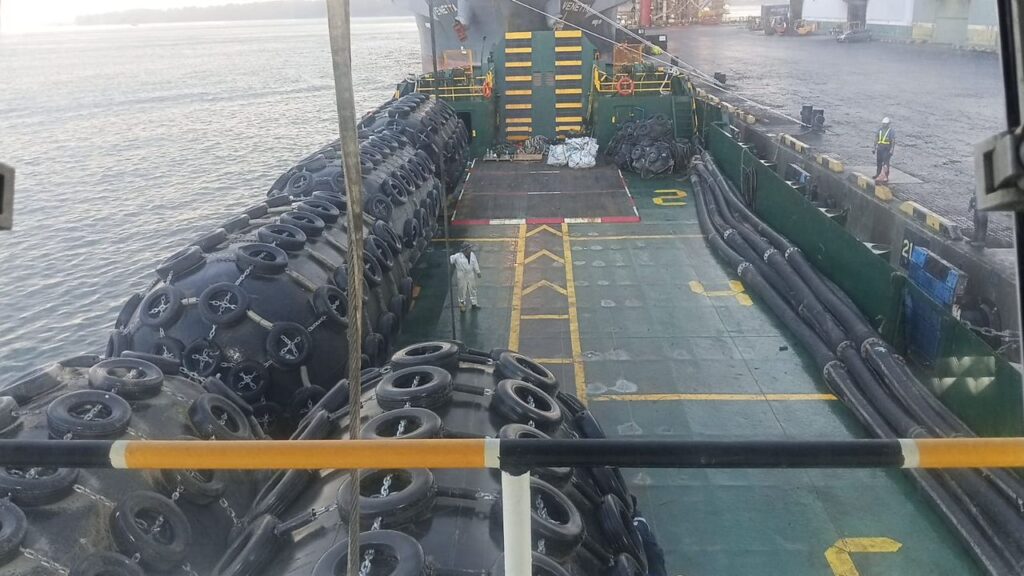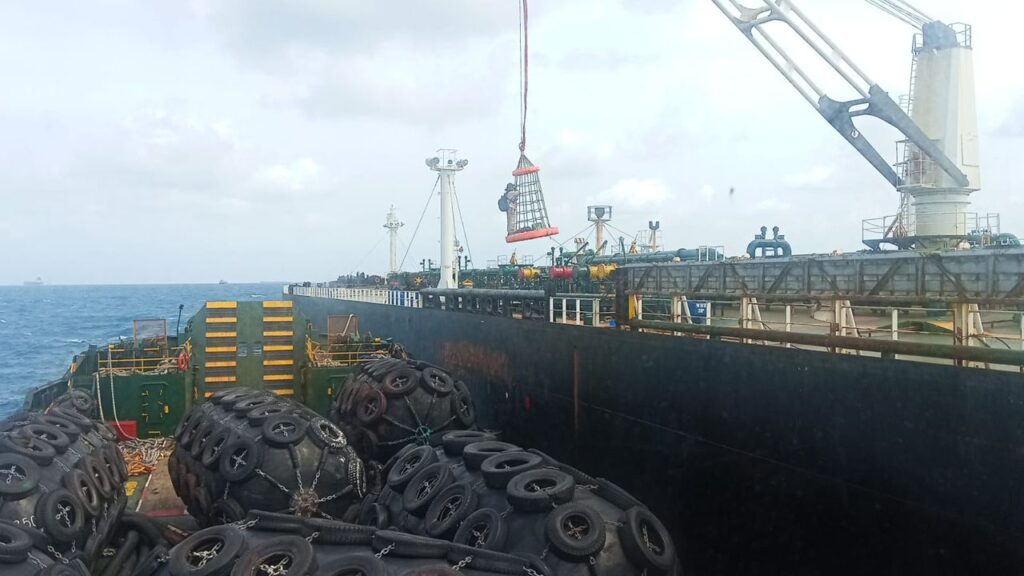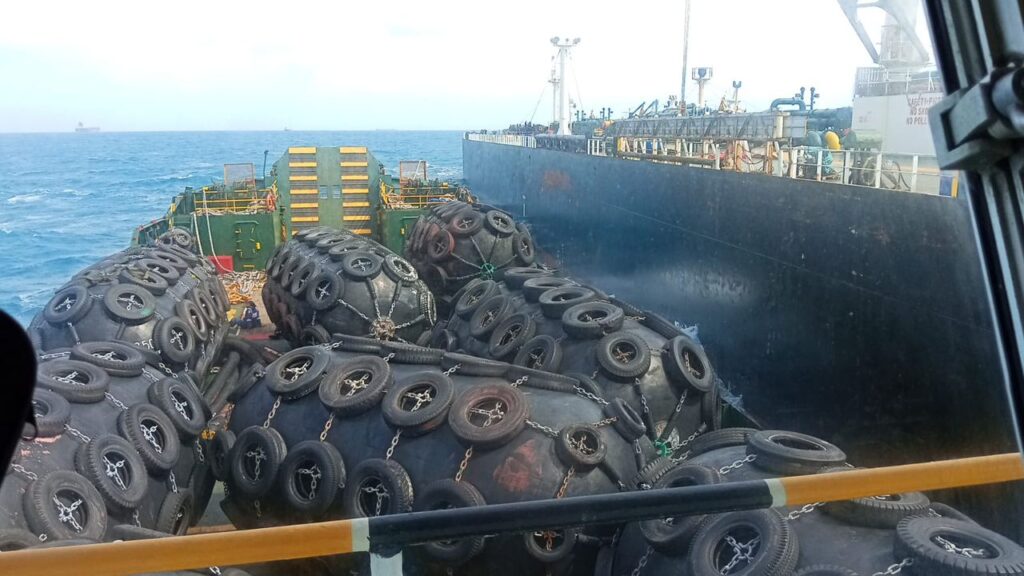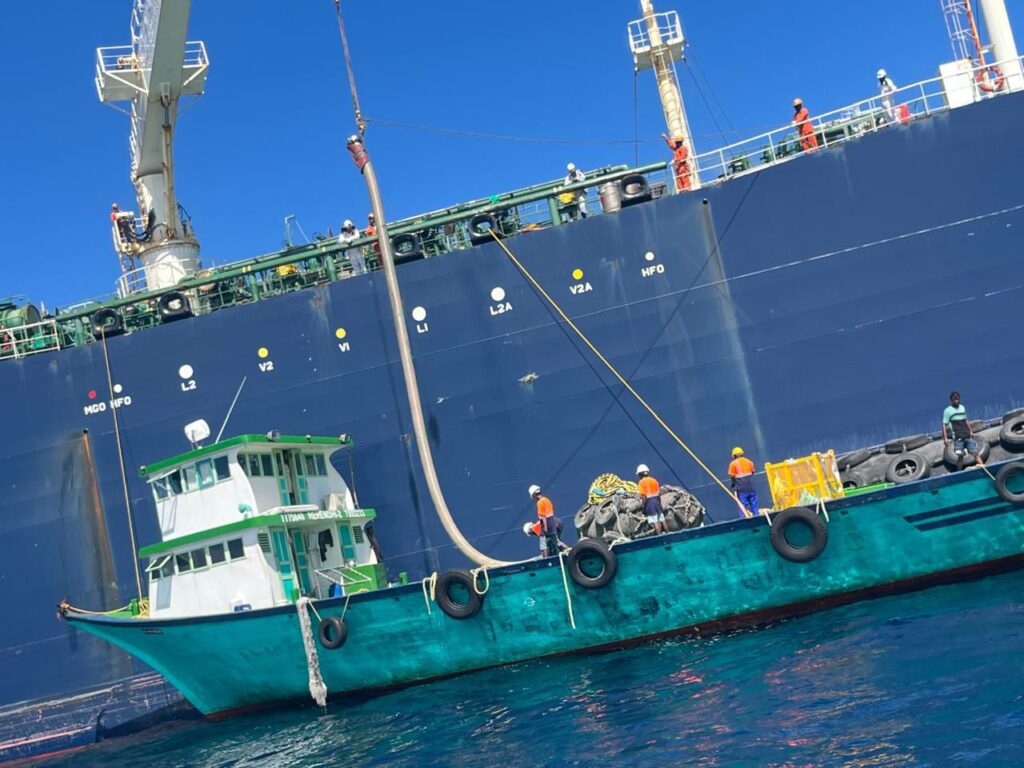
Logistic & Ship to ship equipment supply
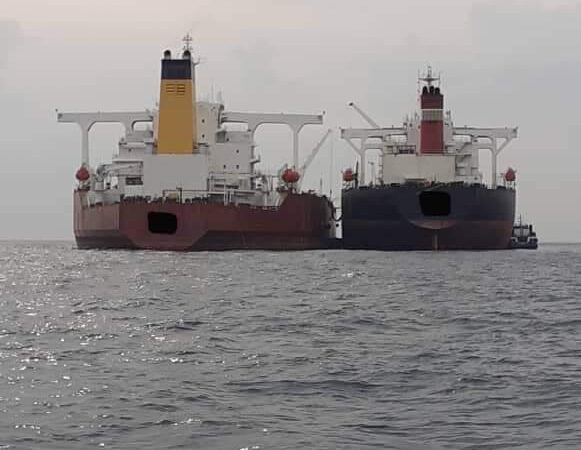
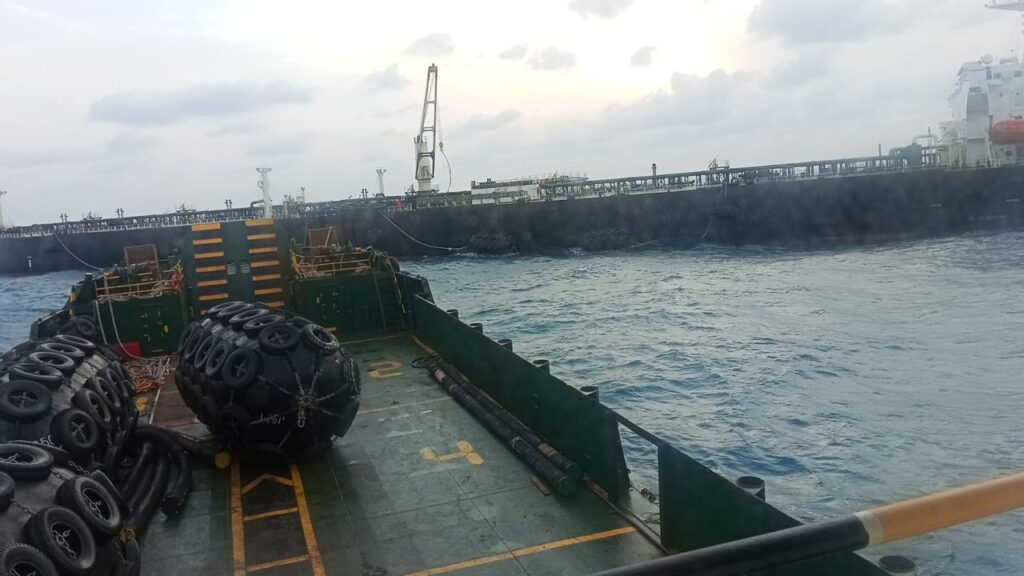
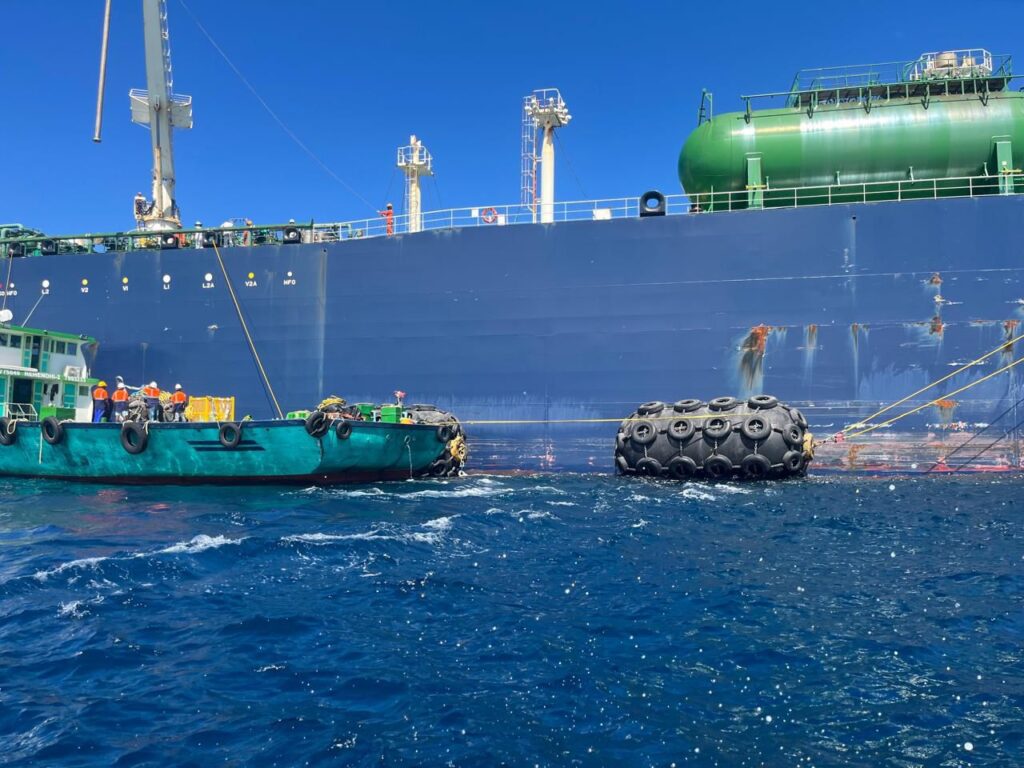
Logistics and supply duties in marine services are essential for ensuring that vessels are adequately provisioned, maintained, and able to operate efficiently across their routes. These duties typically involve the coordination and management of resources, equipment, and personnel to support the continuous operation of marine vessels, whether in commercial shipping, offshore oil and gas, or naval operations. Here’s a breakdown of key responsibilities in logistics and supply within marine services:
1. Procurement of Supplies and Equipment
- Fuel and Lubricants: Managing the procurement and timely delivery of fuel and lubricants, which are critical for vessel operations.
- Food and Provisions: Sourcing food, water, and other essential supplies for the crew, particularly for long voyages.
- Spare Parts and Tools: Coordinating the supply of mechanical and electrical parts to ensure prompt repairs and maintenance.
2. Inventory Management
- Tracking Supplies: Monitoring inventory levels on board and onshore warehouses to prevent shortages.
- Stock Replenishment: Ensuring that all critical supplies, like safety gear, medical supplies, and fuel, are restocked regularly.
- Logistics Software: Using software for real-time inventory tracking, demand forecasting, and managing reorder points.
3. Transportation and Distribution
- Efficient Routing: Planning the most efficient transport routes for delivering supplies to vessels, often using feeder ships or smaller boats.
- Warehousing and Storage: Managing storage facilities near port locations to hold essential supplies.
- Loading and Unloading: Coordinating loading and unloading operations to minimize downtime at ports.
4. Customs and Regulatory Compliance
- Customs Documentation: Handling paperwork and compliance for international shipments and ensuring adherence to local customs regulations.
- Maritime Regulations: Ensuring compliance with international maritime safety and environmental regulations, like those from the IMO (International Maritime Organization).
5. Crew Logistics and Welfare
- Crew Changes: Coordinating crew transfers, including arranging transportation, accommodation, and visas as necessary.
- Medical Supplies: Ensuring that vessels are stocked with first aid and medical supplies as per regulatory requirements.
- Communication Support: Providing communication means for crew members to stay in contact with onshore operations.
6. Maintenance and Repair Support
- Coordination of Repairs: Scheduling and coordinating repair and maintenance activities, especially for routine dry-docking and unexpected breakdowns.
- Spare Parts Logistics: Sourcing and delivering spare parts and machinery as needed for both routine and emergency repairs.
7. Environmental Compliance and Waste Management
- Waste Disposal: Arranging for the proper disposal of waste, including sewage, oil residues, and garbage, following MARPOL regulations.
- Sustainable Practices: Implementing eco-friendly practices and ensuring that operations comply with environmental regulations to reduce pollution.
8. Emergency and Contingency Planning
- Risk Management: Preparing contingency plans for emergencies such as fuel shortages, equipment failures, and adverse weather conditions.
- Supply Chain Continuity: Developing strategies to mitigate supply chain disruptions, especially in remote or challenging locations.
Effective logistics and supply management in marine services is vital to ensure operational readiness, maintain compliance with international standards, and support the welfare of crew members on long voyages. These duties are typically managed by a team of logistics coordinators, supply officers, and purchasing agents who work closely with shipping companies, ports, and regulatory bodies.